Free users had no reason to pay.
They saw still images and heard the voice. They never saw the motion, the part people actually pay for.
Atlabs AI · Hero case study
Free users watch the first 25 seconds of their own video. The rest stays blurred until they upgrade. It became the main place people decide to pay.
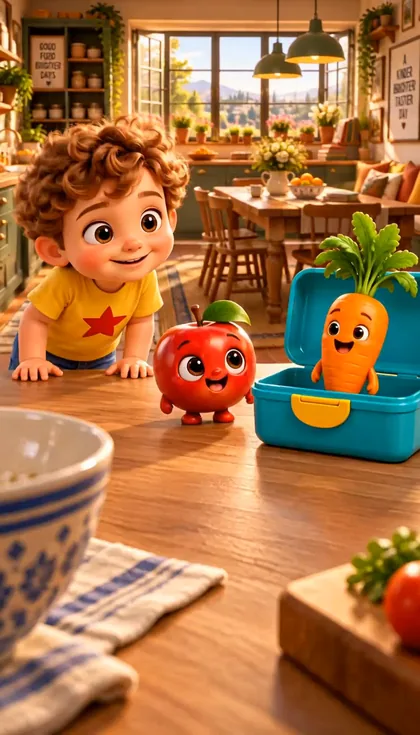
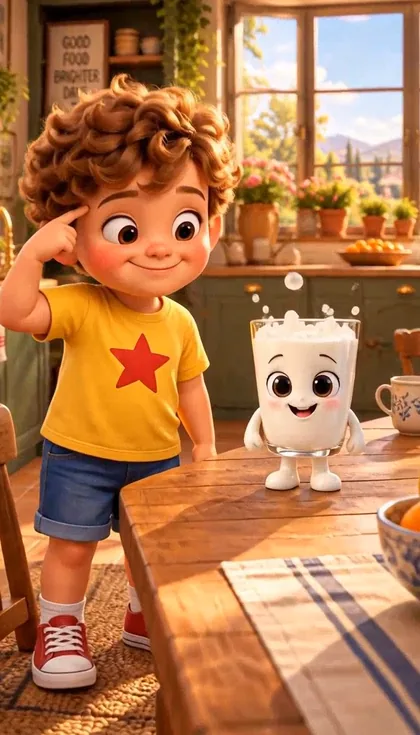
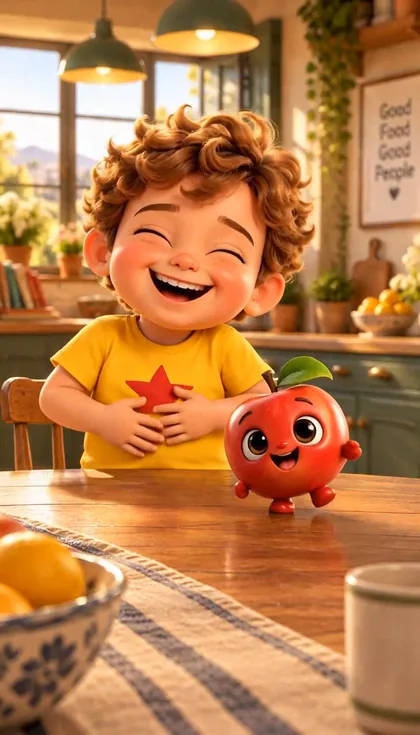
Apple in the morning. Crunch, crunch, crunch.
End of the free preview
You’re watching a preview
Like it? Generate the rest.
 6👑
 7👑
 8👑
 9👑
 10👑11👑
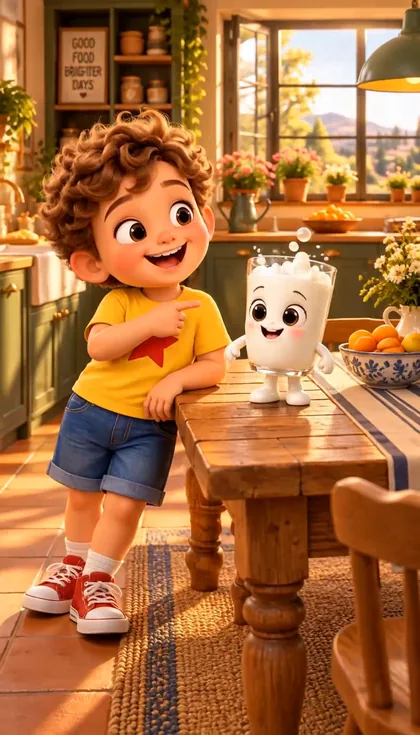
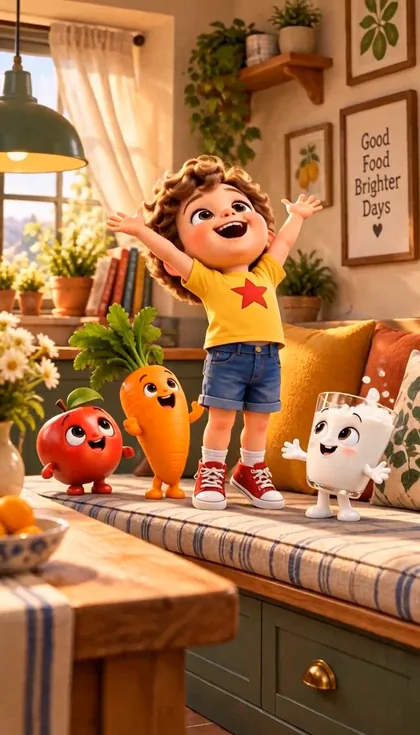
The first scenes play as real video. Scenes 6–11 stay blurred.
As of Oct 2026
Free users only ever saw still images, so they had no reason to pay. Paid users had to make video one scene at a time. I designed the video teaser: everyone first sees the opening 25 seconds of their own story as real video, with voice for the whole story. The rest is blurred. Free users subscribe to unlock it; paid users decide whether to make the rest.
They saw still images and heard the voice. They never saw the motion, the part people actually pay for.
Open a scene, generate video, wait, go to the next. Ten scenes meant ten trips.
Video costs about 13× more than images, so we couldn't give full videos away.
Get more people to subscribe by showing them the real thing, without giving away the expensive part.
Decision 01
The first 25 seconds are real video. Voice covers the whole story. 25 seconds is our cost limit.
The teaser plays the opening of your own story as finished video, with motion and lip sync. The voice is generated for every scene, so the story still makes sense from start to end.
We started with "the first 4 scenes". But some scenes were long, and 4 scenes could mean 40–50 seconds of video. So now it's 4 scenes or about 25 seconds, whichever comes first. That limit is set by cost.
Credits for one 14-scene story
Decision 02
Locked scenes are never generated. They reuse the teaser images, flipped, turned and blurred, to hint at more.
The locked scenes don't exist yet. We only start making them after someone upgrades. So a watermark was never an option: there's nothing to watermark.
Instead, each locked scene reuses one of the teaser images, flipped, turned and blurred. It costs nothing and makes people curious about what comes next.
Scene 1, kept, turned 8°Scene 2, flipped, turned 6°Scene 3, kept, turned 12°Scene 4, flipped, turned 10°Scene 5, kept, turned 4°Scene 1, flipped, turned 4°Decision 03
Three places to upgrade: under the player, right after the teaser scenes, and inside the player when the teaser ends.
There are three places to upgrade. Under the player, a button to unlock the full video. Right after the last teaser scene, a banner: free users read "You're seeing part of the video", paid users read "Like what you see?". And inside the player, the moment the teaser ends: "You're watching a preview", right when people most want to see what happens next.
Locked scenes show a crown, so it's clear what upgrading gets you.
Decision 04
Free users get one path: the teaser is free, everything else says Upgrade. Paid users choose storyboard, teaser or full video, and later pick which scenes to make.
Free users get one simple path. Their start screen shows the storyboard and the teaser as free, with the credit price struck out, and the full video with a crown. After the teaser, every button says Upgrade.
Paid users get every option. Before making a story, they choose a storyboard, a teaser (recommended) or the full video, with the credit cost shown for each. After a teaser, they pick exactly which remaining scenes to make, as video or as still images. For them, the teaser is a cheap check: start over if the story isn't working, make the rest if it is.
Decision 05
In countries where free users used lots of credits but rarely paid, the teaser became paid. Free users there get images only.
The data showed a gap. In some countries, free users used a lot of credits but very few subscribed, because our plans are expensive there. The teaser was costing more than it earned.
So in those countries, free users now get images only, and the teaser is part of the paid plan. Everywhere else, the free teaser stays.
First version, called "Preview" in the finalise step. Free users see their first 4 scenes as real video, with an upgrade button inside the player.
Some scenes ran long, so 4 scenes could mean 40–50 seconds of video. We capped the teaser at about 25 seconds.
Paid users get the teaser too, as a cheap way to check a story before making all of it.
Limits tuned per workflow: up to 4 scenes or about 25 seconds, whichever comes first.
A new start screen: Storyboard, Video teaser (recommended) or Full video. The teaser becomes the default for every free user, and gets its name: Video teaser.
The main place
people upgrade.
Free users now see their own story move before anyone asks them to pay. The teaser and its three upgrade moments are where most of them decide.
People who start a story and pay % by month, 2026
About 1 in 20 people who started a story used to pay. Since the teaser became the default for every free user, it's about 1 in 5. A lot changed in that time: pricing, new workflows, marketing and the work of the whole team. So read this as the teaser plus everything around it, not the teaser alone.
For context: Atlabs reached $2.5M ARR by Oct 2026, almost all from subscriptions. That is a team result. The teaser is one part of it: the moment where people choose to pay.
The story behind the work, or my résumé on one page.